HOME CARE 101: Trees & Your Home
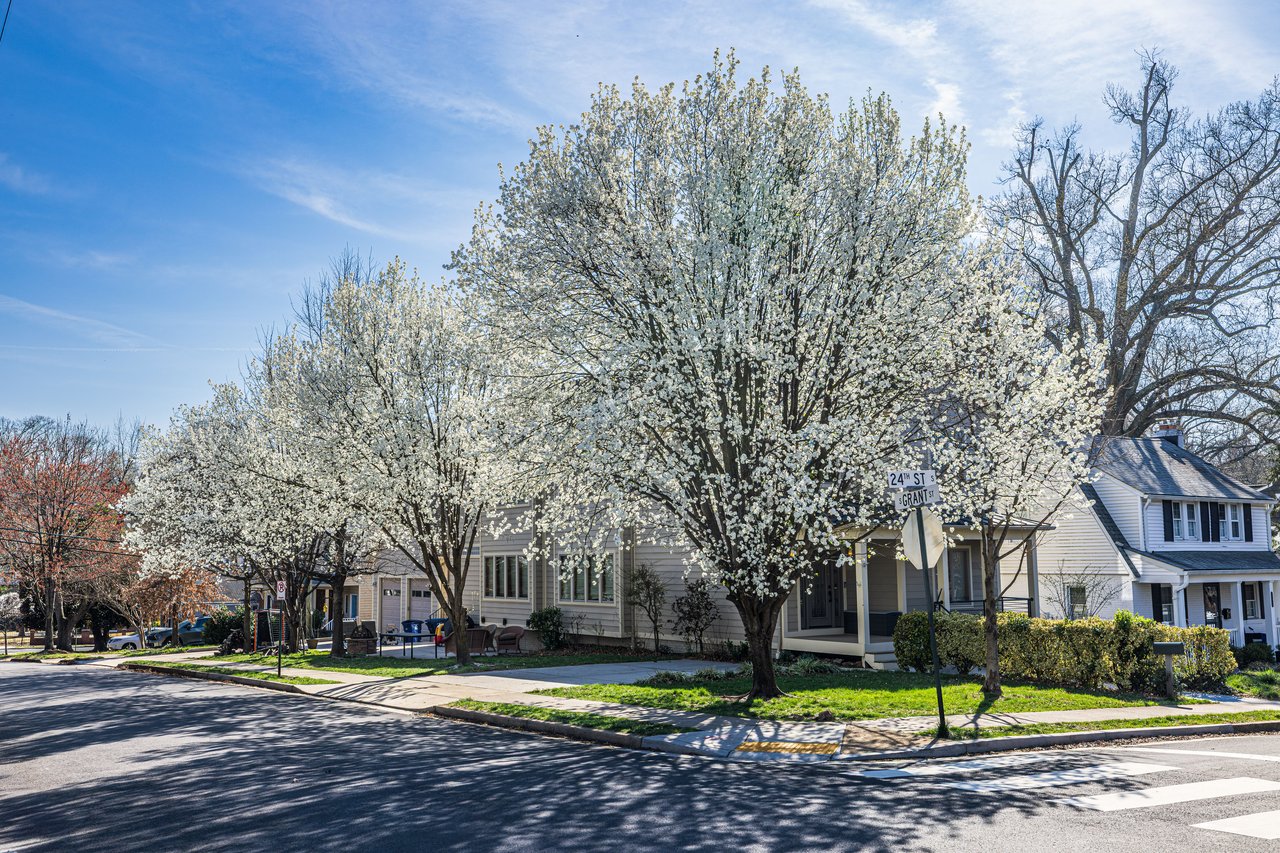
The city of Elmhurst has been proudly named Tree City USA for over 45 consecutive years from the Arbor Day Foundation. The Elmhurst Public Works Forestry Division maintains 22,000 public trees in our city. Spending any amount of time in Elmhurst, you’ll notice pretty quickly that trees play an important role in creating the welcoming atmosphere that our residents cherish.
Research has shown that trees have a positive effect on your home’s value, depending upon the age and type of tree, accounting for 3% or more of your home’s value. With an average home sales price of $400,000, that gorgeous shade tree in your yard could be worth a staggering $12,000 – or more. As a homeowner, it’s important to take care of the trees – and other landscaping – on your property.
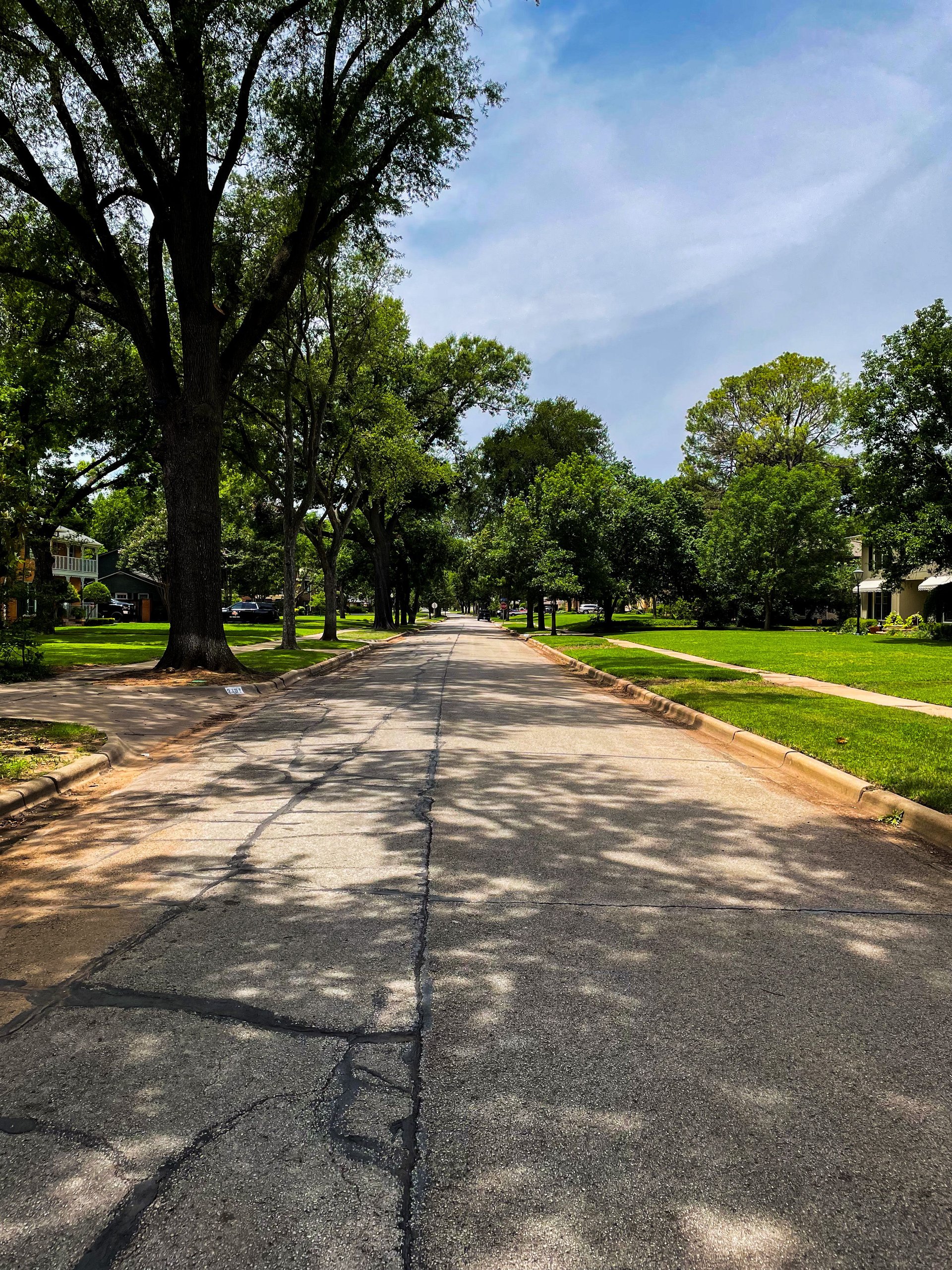
Why trees add to the value of your home
Trees provide shade, which in Chicago’s summers, can lower your energy costs. Homes that have some protection from the sun means that your air conditioner doesn’t have to run as much or as long. The shadows of trees also add drama and character to your home.
Think about a cozy place outside your home to relax. Chances are, it probably includes a tree. Sitting under a tree is the comfy spot to enjoy a meal with your family, watch your children play, toss a toy for your pet, or take a nap! Trees also provide privacy and a space to watch birds and other small creatures.
Some benefits of trees are hidden, but important. Their deep root systems keep soil in place. They absorb large amounts of water, especially during heavy rain storms. Our air is cleaner because of trees. Trees are home to a myriad of wildlife. Tree cover lowers the temperature in the summer and helps to muffle sound.
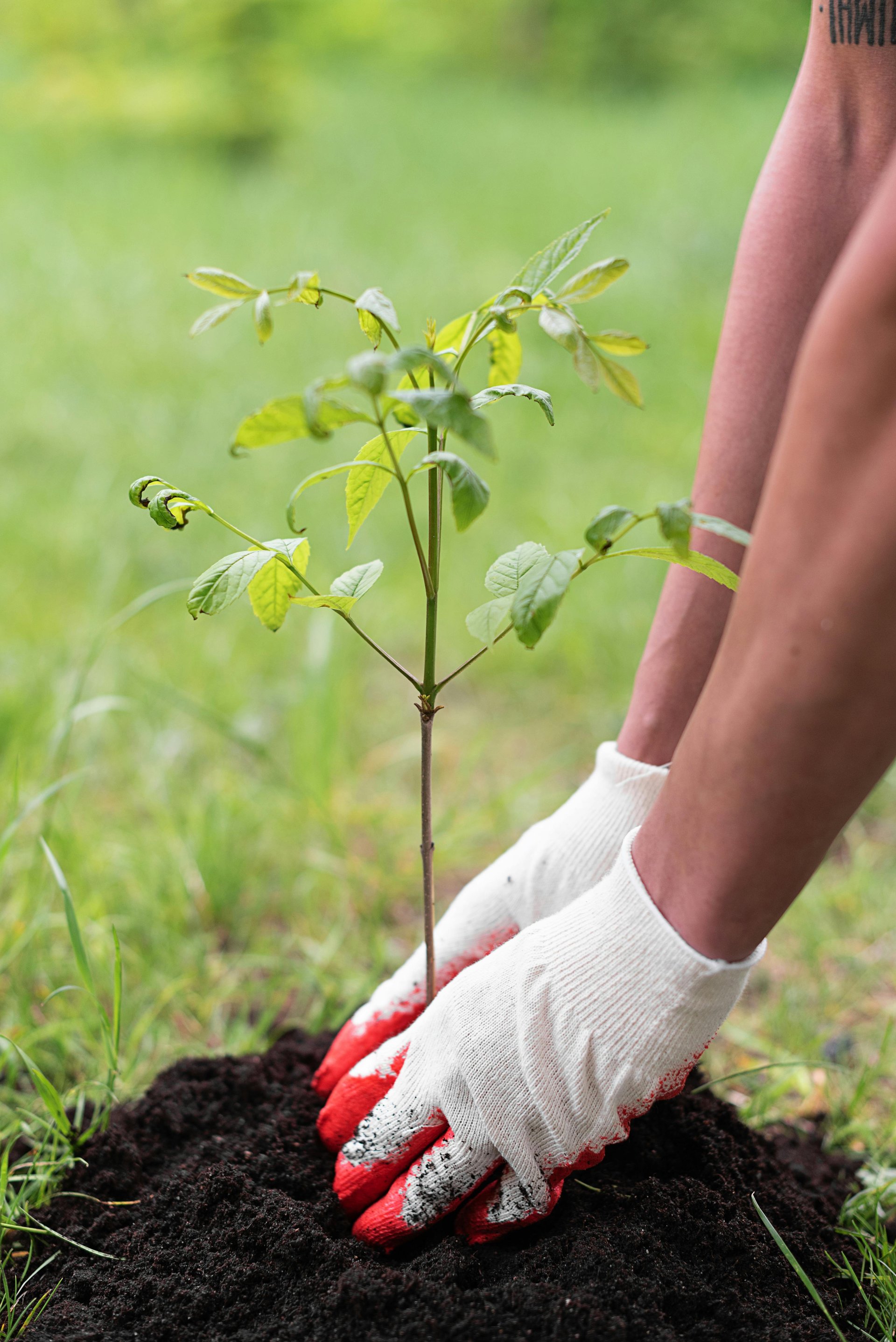
Why plant trees
Sometimes your yard may need a new tree. Often a replacement is needed when a mature tree is diseased or damaged by time or weather.
Maybe your patio or deck is too hot to enjoy mid-day. Perhaps you don’t like the view you have of a neighbor’s home or the street. A tree could solve these problems.
Summer is a great time to plan for the planting of new trees in the fall. (Hot summer weather can stress out young trees, so most nurseries recommend planting in the fall when temperatures drop and rainfall is more plentiful.)
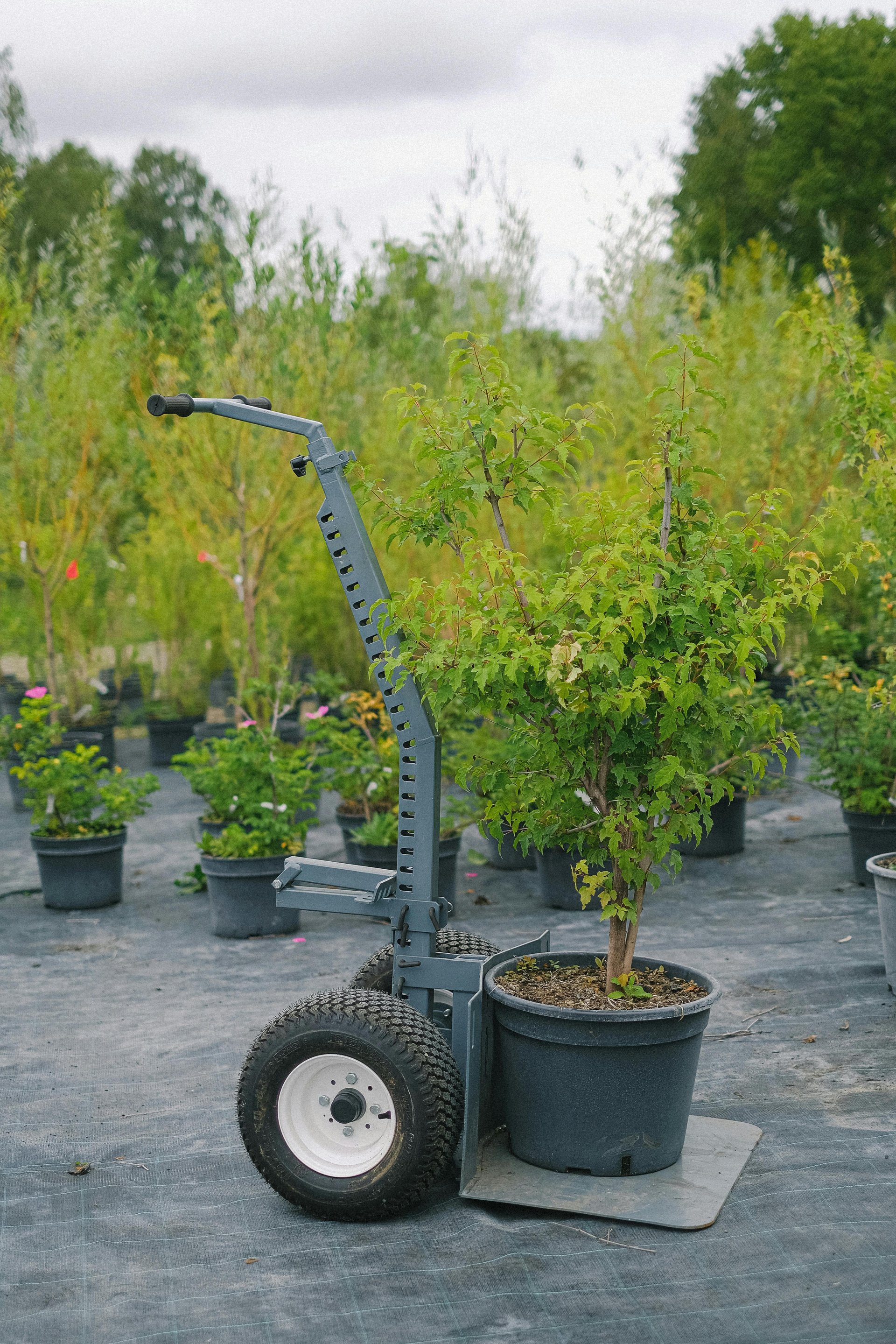
Plan now for fall planting
First research the area you plan to plant the tree. Take photos of the spot where it will be planted. You will need to be aware of the availability of sun and shade in that location to best choose a tree that will flourish in that location.
Planning for the planting will also involve calling J.U.L.I.E. at 811 to mark any underground utilities. The spot you want to plant the tree may have to change if utilities run through the exact spot.
Keep in mind that the soil type and water levels can also affect the tree, so take note of those elements. If you have overhead power lines, other tree canopies, and buildings nearby, you will need to account for the mature height and width of the tree you choose so that it doesn’t conflict with these items.
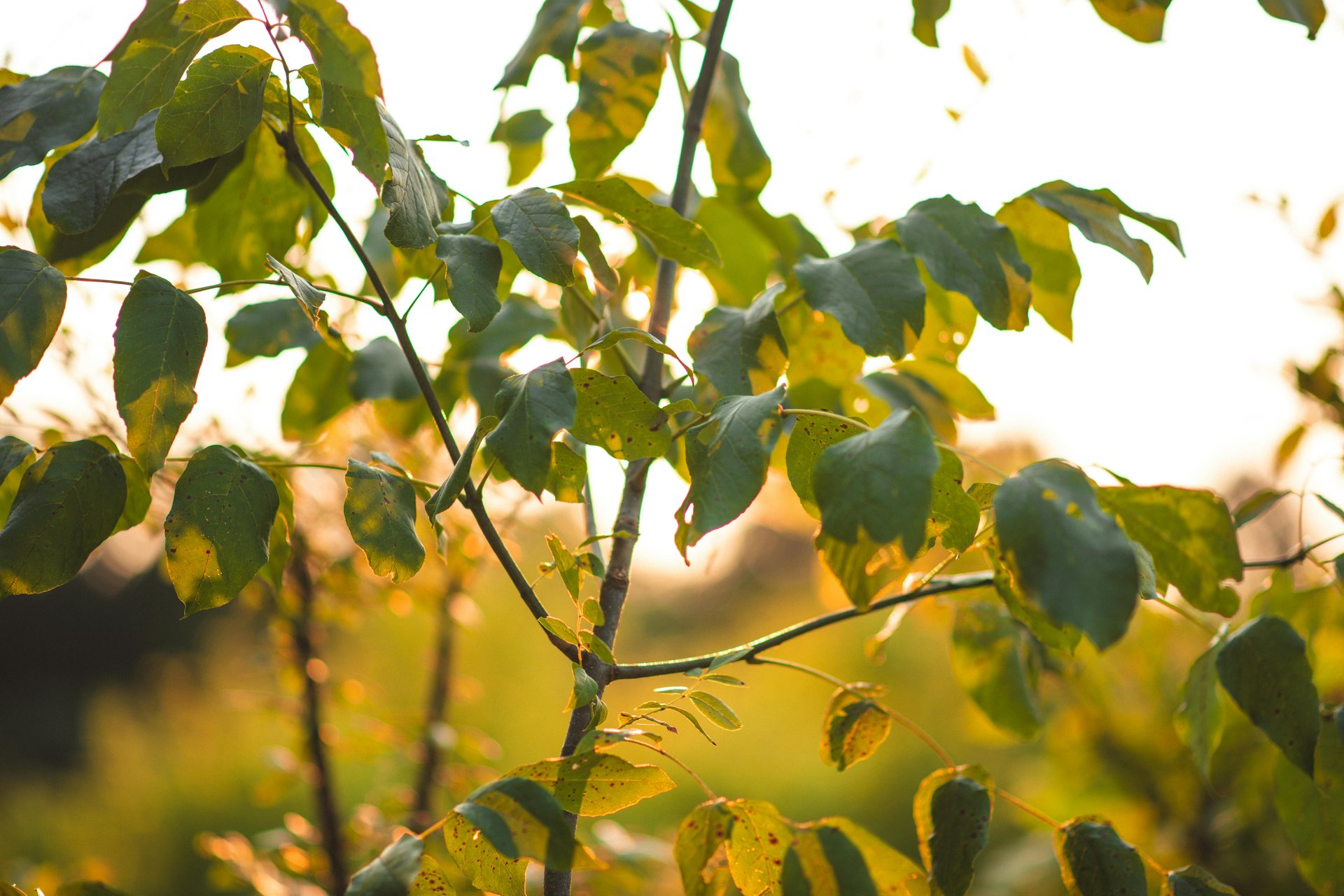
Choosing your tree
Once you have assessed your planting area, you can take a visit to the local garden center. Bring your site information and the garden center can help you narrow down your tree choices.
Native trees are often your best bet. Trees that grow in the area are best adapted to the area’s water availability and climate. They are most likely able to withstand the extreme heat and cold that the Chicago area can throw at them.
Planting can be a DIY project or you likely can hire the garden center to plant the tree in the fall for you. Depending upon the size of the tree, you may need to hire the delivery of the tree so that it isn’t damaged in transit.
Remember that you will have to call J.U.L.I.E. at 811 again before your tree is planted so that before any digging begins, utilities are located so no service is interrupted or damaged.
Taking care of trees
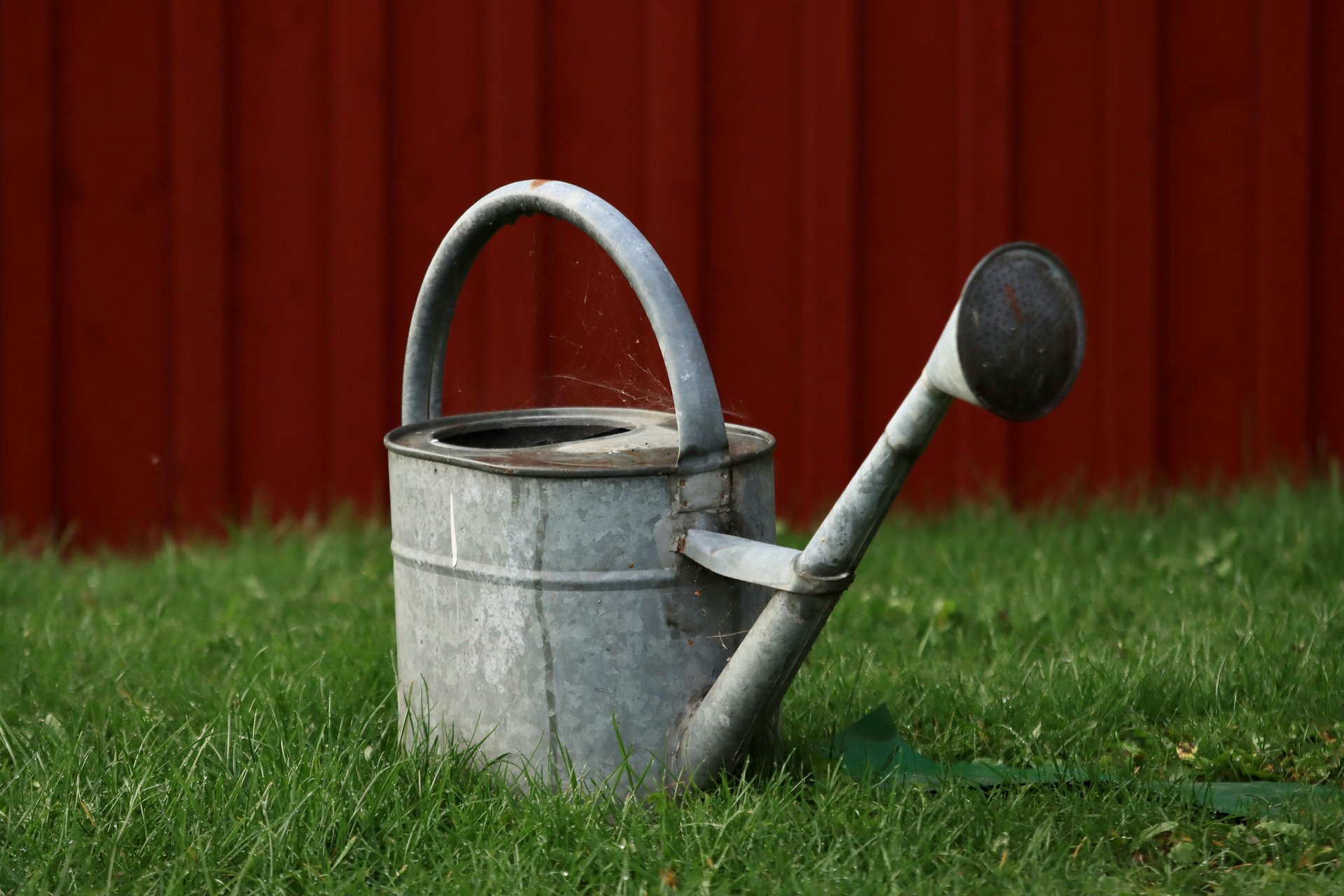
Trees need water. Often rain provides all a mature tree needs. But during prolonged heat and times of drought, you may need to address watering.
Slow, deep watering is typically the best method to water mature trees. New trees often require slow, deep watering on a more regular basis, especially for the first year or two after it was planted. A local garden center or arborist can advise on best practices for your tree based on the age, location, and species.
Lack of water, too much water, excessive heat, nearby construction, insect pests, and more can adversely affect your trees. Trees may lose leaves, leaves may turn colors or curl, a branch may die off, growth may stagnate, or you may witness other symptoms. If your tree is looking stressed, consult a local arborist. Many tree problems can be treated and your tree can continue to provide you many years of enjoyment.
Share the info
If you learned something about trees and their importance around your home, be sure to share this blog post with your neighbors, friends, and family who own homes. We’d also love to help those who might be buying or selling a home this year.
For 75 years, LW Reedy remains Elmhurst’s local real estate resource. Rely on us for useful, practical real estate information.
--
For more information about maintaining your home, preparing it for sale, or buying a new home, contact your LW Reedy real estate agent.